RoadTripFinland journal · Lapland Planning
How Dark Is Lapland in Winter? Daylight by Month and Destination
Ad links: we may earn a commission at no extra cost to you.
Short answer
Lapland's winter is not one long, completely black day. Around midwinter, northern destinations experience polar night, but twilight can still give a useful outdoor window. We would choose December for the midwinter atmosphere and consider February or March when longer daylight is a priority. Check the exact destination and dates before scheduling activities.
Independent editorial guide · Reviewed 9 November 2026
Daylight, twilight and polar night are different things
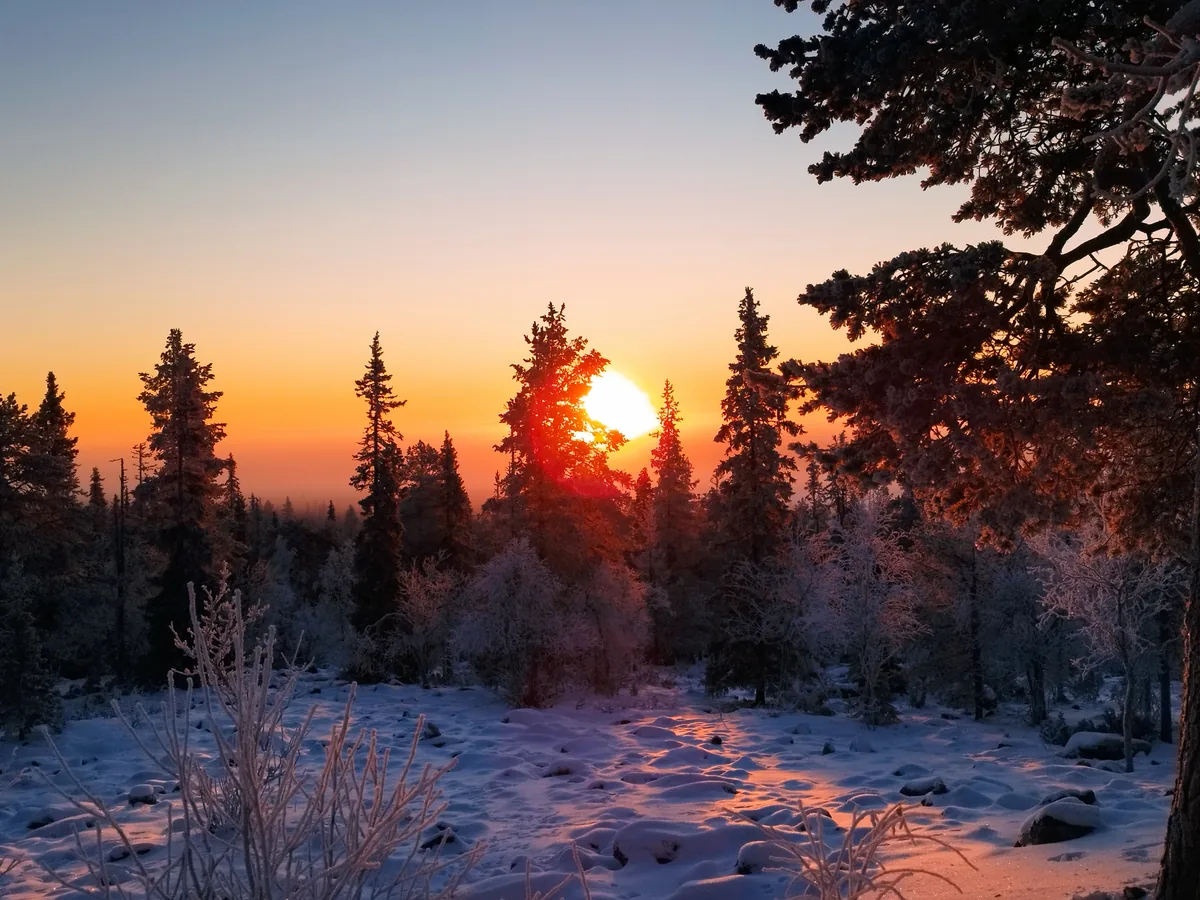
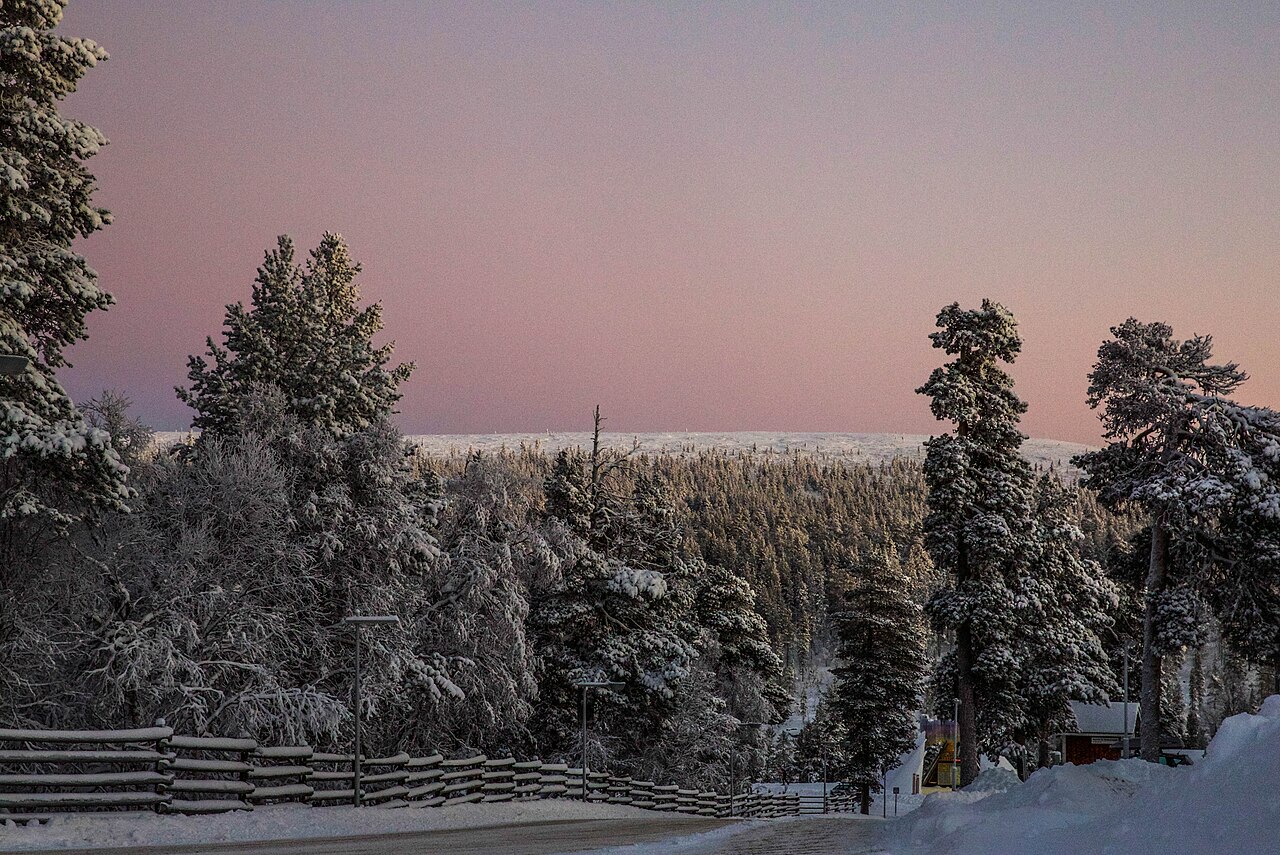
Sunrise-to-sunset hours tell you when the sun is above the horizon. They do not describe every minute when you can see a landscape. Twilight gives additional light while the sun is below the horizon; clouds, terrain and snow cover affect how the scene actually looks.
Polar night means the sun does not rise above the horizon for a period. Its duration depends on latitude. The municipality of Inari explains the seasonal light cycle in its Arctic conditions guide. We would read “no sunrise” as a planning detail, not as a reason to assume the whole day will be pitch-black.
There is still a practical limit: a short bright interval is not a long hiking day. Put the outdoor activity that matters most near the middle of the day, and leave shopping, dinner and indoor plans for later.
November to April: how we would plan each month
This is a qualitative planning guide, not a table of sunrise times or a snow forecast. Exact daylight changes every day and differs between resorts.
November
- Light pattern: Days shorten quickly; the far north approaches polar night
- Our planning approach: Keep outdoor plans flexible and check actual snow conditions
December
- Light pattern: The shortest days; polar night in northern areas
- Our planning approach: Protect the midday light window and simplify driving days
January
- Light pattern: Light gradually returns after midwinter
- Our planning approach: Check your specific dates: late January differs from early January
February
- Light pattern: More daytime for outdoor plans
- Our planning approach: Schedule a main outing and still leave weather flexibility
March
- Light pattern: Longer days and dark nights
- Our planning approach: A useful compromise for daytime exploring and possible aurora viewing
April
- Light pattern: Long daylight; nights become progressively brighter
- Our planning approach: Prioritise daytime plans and verify seasonal operating dates
If a bright, unhurried outdoor day matters more than a Christmas atmosphere, we would compare late winter before booking December automatically. If December is the dream, build a December-shaped itinerary instead of borrowing a summer one.
Rovaniemi, Levi and Saariselkä are not interchangeable
Rovaniemi is the southernmost of these three bases. Do not apply an Inari-area polar-night calendar to its city centre. For exact sunrise and sunset, look up Rovaniemi's date-specific solar calendar and change the month and year to your trip.
Levi is farther north. Nearby hills and the position of your accommodation also affect when direct sunshine reaches a particular spot. A town-level sunrise time is not a promise that your cabin terrace will be sunny at that minute.
Saariselkä lies farther north again, in the Inari municipality. The winter light pattern is a bigger part of planning there. We would choose a convenient base and avoid using the shortest part of the day for a long, optional transfer.
For any resort, use the exact location in your solar or weather service rather than searching only “Lapland.” Distinguish the listed daylight duration from civil twilight, and check local Finnish time. This guide deliberately avoids presenting one number as valid for a whole month or region.
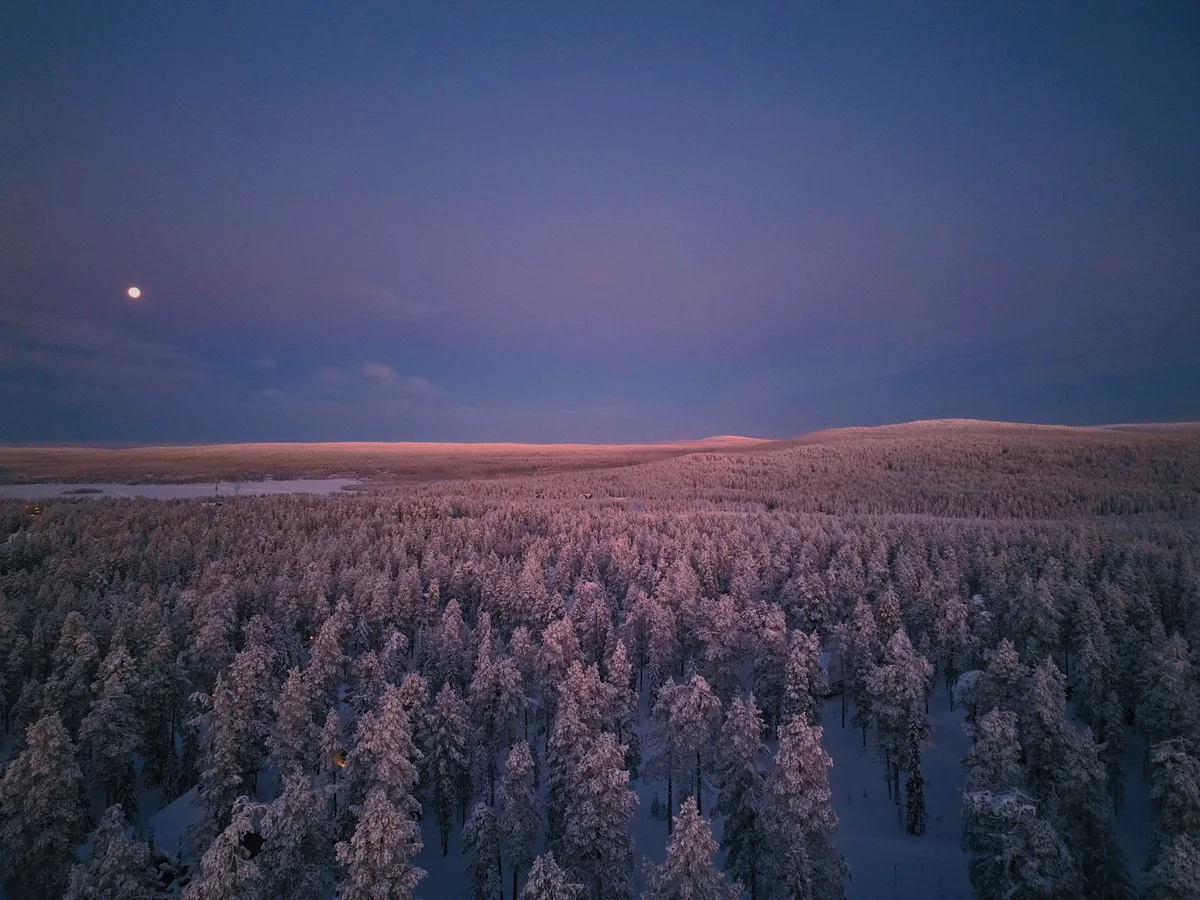
Make a short day feel like a holiday
Our midwinter plan would have one main outdoor experience, lunch, and a flexible second half. Have the clothing and transport ready beforehand so the useful light is spent outside rather than searching for gloves.
Book a base that makes your planned activity easy to reach. A remote cabin can be wonderful, but it may add driving to every meal and outing. For a first visit without much winter-driving experience, we would put convenience ahead of an impressive-looking pin on a map.
If you want a cabin, check its actual address, access and services before deciding it suits the darker months.
Explore Lapland cabin options on Lomarengas
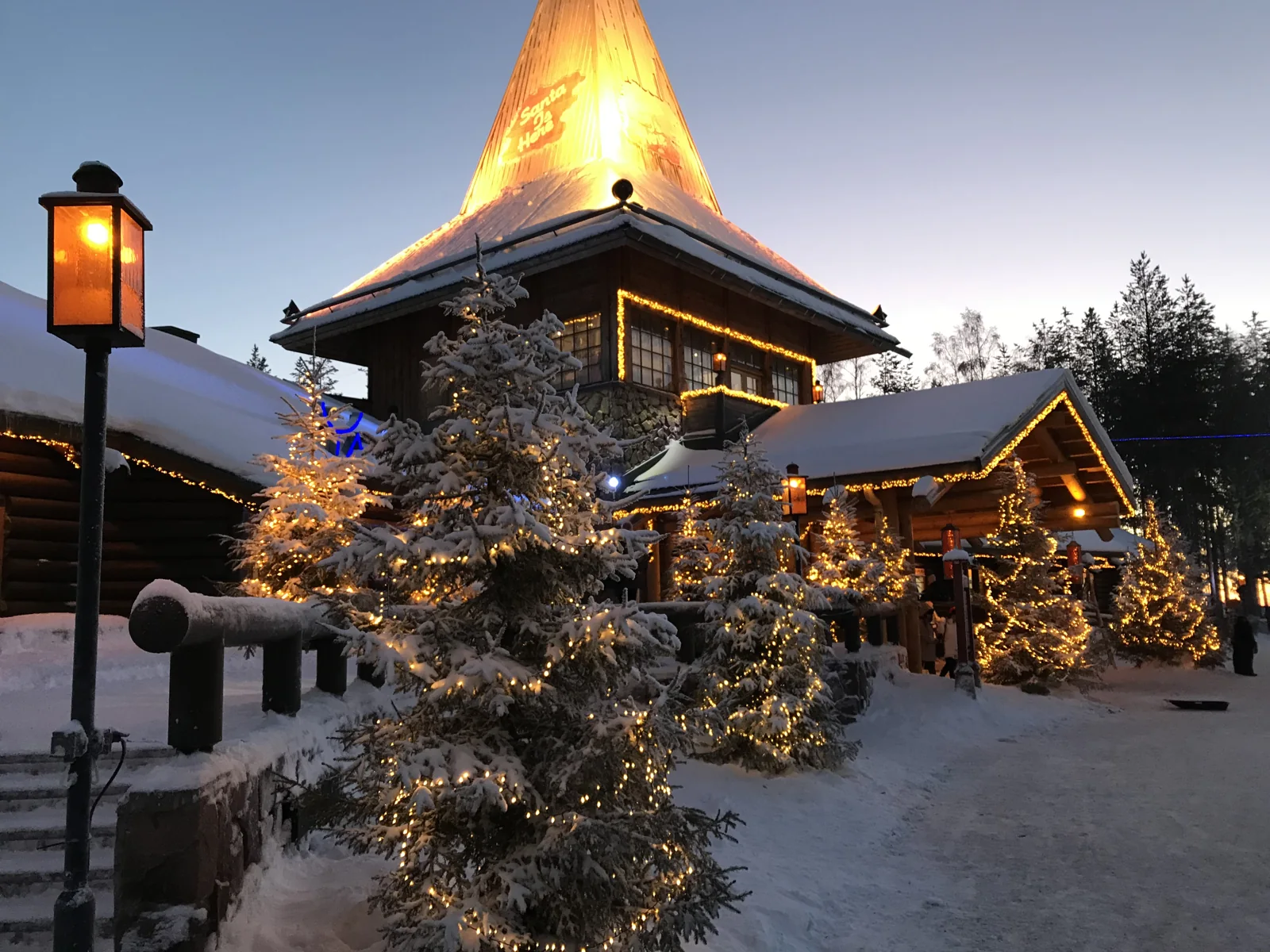
Enter your chosen destination and dates on the booking service. The photographs here illustrate the region; they are not accommodation availability or a forecast of the light you will see.
Does darker automatically mean better northern lights?
No. Darkness helps make auroras visible, but cloud cover and auroral activity matter too. The Finnish Meteorological Institute explains the conditions needed for viewing. A longer dark period does not guarantee a sighting, and a cold night is not itself a forecast.
We would avoid choosing an inconvenient hotel solely because a sales page suggests frequent auroras. Compare the location and normal holiday experience first, then treat a suitable clear night as an opportunity. Our northern-lights guide covers the forecast side separately.
What to book first
Choose the month that matches your priorities, then the base, then the activities. For a stay with restaurants and transfers nearby, compare hotels and apartments. For quiet evenings at home, investigate a cabin and its access requirements. Do not hire a car simply because the sun sets early; decide whether your actual location requires one.
Compare accommodation for your chosen dates
This is an original planning interpretation of seasonal conditions, checked 9 November 2026. It is not a weather forecast or a record of a personal stay. Check local daylight, warnings and operating information again for your travel dates.
Topics